Here in Florida, we are surrounded by sunshine almost every day.
So it seems like vitamin D deficiency should be rare, right?
That is exactly what most people assume. And honestly, I understand why. We live in the Sunshine State. We walk from our cars into stores and feel like we just crossed the Sahara. We have pool days in January. We sweat walking to the mailbox. Florida is not just hot — it is hot-hot, not cute-hot.
So when someone comes into Recharge Clinic and we find that their vitamin D is low, one of the first things I hear is:
“But I live in Florida.”
I get it. But the truth is, living in a sunny state does not automatically mean your vitamin D level is where it needs to be.
In fact, a South Florida study found that vitamin D insufficiency was still surprisingly common even in a region with year-round sunshine. In that study, researchers found hypovitaminosis D in about 38% of men and 40% of women, using a cutoff of less than 20 ng/mL. Their conclusion was simple but important: vitamin D deficiency can still be significant even in southern latitudes.
Just last week, I had a patient come in to go over his labs.
This patient works in a profession where he is outside literally all day. Not “I walk from the parking lot to the office” outside. I mean outside, in the Florida sun, for hours and hours.
So when we got to his lab results, both of us expected it to look great.
It did not.
His vitamin D came back at below 20 ng/mL.
He looked shocked. I was surprised, too.
Now, depending on the lab and the individual patient, 20 ng/mL and over may be considered barely adequate, insufficient, or lower than what we want for optimal wellness. At Recharge Clinic, we are not just looking for people to “barely scrape by” on a lab range. We want to understand what is optimal for that person, based on symptoms, lifestyle, medical history, medications, inflammation, hormone status, gut health, and overall goals.
And this patient was a perfect reminder:
Sunshine matters, but sunshine alone is not always enough.
Your body makes vitamin D when UVB rays from sunlight hit your skin. But that process is more complicated than most people realize.
Vitamin D production can be affected by:
The NIH notes that factors such as season, time of day, cloud cover, smog, skin melanin content, and sunscreen can all affect vitamin D synthesis. UVB rays also do not penetrate glass, so sitting by a sunny window does not give you the same vitamin D benefit as direct sun exposure.
And we also have to be smart. I am not telling anyone to go bake in the sun without protection. UV exposure increases skin cancer risk, and national health organizations still recommend appropriate sun protection. This is one reason testing matters: we can support healthy vitamin D levels without guessing or overdoing sun exposure.
Some people are also more likely to have inadequate vitamin D levels, including older adults, people with limited sun exposure, people with darker skin, people with conditions that affect fat absorption, people with obesity, and those who have had gastric bypass surgery.
Most people know vitamin D is important for bones. That is true — it helps your body absorb calcium, which is essential for maintaining strong bones.
But it does more than that.
Your body also uses this essential nutrient for:
The NIH explains that vitamin D supports calcium absorption, muscle movement, nerve communication, and immune function.
That is why I pay attention when vitamin D is low or sitting at the very bottom of the range. It can be one of those “small” labs that gives us a big clue about what is happening in the body.
Low vitamin D does not always cause obvious symptoms. Some people feel completely normal. Others feel off but cannot quite explain why.
Possible clues may include:
Cleveland Clinic notes that vitamin D deficiency in adults may show up as fatigue, bone pain, muscle weakness, muscle aches or cramps, and mood changes.
But here is the important part: these symptoms can overlap with many other issues. Fatigue could be vitamin D, but it could also be thyroid, hormones, anemia, inflammation, poor sleep, blood sugar changes, nutrient deficiencies, or stress.
That is why I do not recommend guessing.
I recommend testing.
At Recharge Clinic, we frequently see patients who are active, outdoorsy, and living right here in sunny Florida — yet their vitamin D levels are still lower than expected.
That is why personalized care matters.
We look at the whole picture: your labs, your symptoms, your lifestyle, your health history, your medications, your gut health, and your goals. Then we can decide what makes sense — whether that is daily supplementation, injections, nutrition support, or IV add-ons when appropriate.
How Recharge Clinic Can Help Support Healthy Vitamin D Levels
At Recharge Clinic, this is where personalized care really matters. We do not just tell patients, “Go get more sun,” especially when we know that sunshine alone does not always get the job done.
Once we check your vitamin levels, we can help you decide what kind of support makes the most sense for your body. That may include oral over the counter supplementation like our Recharge Cocktail or ADK vitamin support, or it may include our vitamin D shots for patients who need a more direct approach.
Everyone’s body is different, and absorption, lifestyle, medications, gut health, and symptoms all matter.
Our goal is to help you raise and maintain healthy levels safely and intentionally — not by guessing, but by looking at your labs and building a plan around you.
Living in Florida helps, but it does not guarantee healthy nutrient levels.
The only way to know is to check.
Not sure where your vitamin D stands? Recharge Clinic can help you check your levels and create a personalized plan to support your energy, immune health, muscle function, bone strength, and overall wellness.
Schedule your lab review with Recharge Clinic and let’s find out what your body actually needs.
Be on the lookout for our next blog on Vitamin D: “Vitamin D and Your Whole Body: Bones, Immunity, Mood, Muscles & Cancer Support”
This depends on the person, the lab, the unit of measurement, and your overall health picture.
In many U.S. labs, vitamin D is measured as 25-hydroxyvitamin D in ng/mL. The NIH notes that levels below 12 ng/mL are associated with deficiency, 12–20 ng/mL may be inadequate for some people, and 20 ng/mL or higher is considered adequate for most people. Levels above 50 ng/mL may be linked with potential adverse effects in some cases.
At Recharge Clinic, we do not just look at a number in isolation. We look at your symptoms, lifestyle, medical history, inflammation, hormone health, gut health, medications, and goals to decide what range makes sense for you.
Anyone can have low vitamin D, but some people are at higher risk.
This may include people who spend a lot of time indoors, older adults, people with darker skin, people with gut absorption issues, people with obesity, people who have had gastric bypass surgery, and those taking certain medications.
But as my patient story shows, even people who work outside all day can still come back lower than expected.
Yes. Vitamin D is fat-soluble, which means your body can store it. More is not always better.
That is why I do not recommend blindly taking high-dose vitamin D without checking your labs and having a provider guide you. The goal is to support your body — not overshoot and create new problems.
You can schedule at Recharge Clinic by calling 352-512-9996 or booking an appointment online through the Recharge Clinic website. Walk-ins may also be available at select locations, depending on the service and availability.
Recharge Clinic has convenient locations in Ocala, Lady Lake, and Clermont, making it easy to have your levels checked and receive a personalized plan based on your results.
Vitamin D testing is a simple blood test that provides valuable information about your health. Instead of guessing whether your levels are low, borderline, or where they should be, we can review your lab results and discuss the most appropriate next steps, which may include supplementation, vitamin injections, nutrition support, or other personalized recommendations.
Sunlight is one way your body makes vitamin D, but it is not the only option — and for many people, it is not enough on its own.
Other routes may include:
The right option depends on your lab results, symptoms, absorption, lifestyle, and overall health goals. Some patients do well with a daily oral vitamin. Others may benefit from injections or additional support, especially if their levels stay low despite sun exposure or supplementation.
That is why we always come back to the same idea: test, do not guess. Once we know where your vitamin D level is, we can help create a plan that makes sense for you.
The name “Wolverine peptide” sounds like something out of a comic book, and honestly, that is part of the problem.
When a peptide gets a nickname like that, people start thinking it is magic. They hear stories about tendon pain disappearing, old injuries improving, faster recovery, better workouts, and post-procedure healing. Then they go online, find a vial labeled “research use only,” and suddenly they are injecting something into their body because someone in a Facebook group said it worked.
That is not medicine. That is gambling with a syringe.
When people refer to the “Wolverine” peptide stack, they are usually talking about BPC-157 and TB-500. BPC-157 is a synthetic peptide studied mostly in animal models for soft tissue, tendon, ligament, muscle, and gut-related repair pathways. TB-500 is commonly discussed as a thymosin beta-4-related peptide, connected to actin regulation, cell migration, angiogenesis, and wound healing biology.
KLOW is typically discussed as a broader blend that may include GHK-Cu, BPC-157, TB-500, and KPV. In that type of blend, each peptide has a different theoretical role: inflammation modulation, connective tissue support, cell migration, collagen remodeling, and tissue repair signaling.
That sounds exciting. It is also exactly why these should be handled carefully.
BPC-157 has generated interest because preclinical studies suggest it may support healing in soft tissues such as tendons, ligaments, and skeletal muscle. A review of the literature noted that most studies showed positive healing effects across multiple injury types, but also emphasized that most of the work has been done in small rodent models and that human efficacy still needs confirmation.
That is the key: promising animal data is not the same as proven human treatment.
When patients ask me about BPC-157, I explain it this way: the biology is interesting, especially around angiogenesis, nitric oxide signaling, fibroblast activity, and tissue repair. But we still need to respect the limitations of the evidence.
TB-500 is generally discussed in relation to thymosin beta-4 biology. Thymosin beta-4 is involved in actin regulation, cell movement, wound healing, angiogenesis, and inflammation-related pathways. Research has explored thymosin beta-4 in wound-healing contexts, including phase 2 trials for pressure ulcers, stasis ulcers, and epidermolysis bullosa wounds.
But again, the fact that a pathway is involved in healing does not mean every commercial TB-500 vial online is safe, effective, correctly dosed, or appropriate for you.
GHK-Cu is a copper-binding peptide that has been studied for skin, collagen, elastin, glycosaminoglycan synthesis, fibroblast support, wound healing, and tissue remodeling. In a review, GHK-Cu was described as supporting dermal fibroblast function and increasing collagen, elastin, and glycosaminoglycan synthesis. Some cosmetic and topical studies have also looked at its effects on skin appearance, wrinkles, skin thickness, and collagen production.
In a KLOW-style blend, the idea is that GHK-Cu supports the “building materials” side of repair, while BPC-157 and TB-500 are more associated with repair signaling, cell migration, and soft-tissue healing pathways. KPV adds the anti-inflammatory angle.
That can make sense as a clinical concept. It still needs medical oversight.
One more important point: some peptides are not meant to be taken every day indefinitely. Copper-containing peptides like GHK-Cu, and certain repair-focused peptide blends, should be used in medically guided cycles with planned breaks. Copper is essential for connective tissue, blood vessels, immune function, and healing, but more is not always better. Chronic excessive copper exposure can contribute to gastrointestinal symptoms and, in more serious cases, liver injury. The FDA has also noted that injectable GHK-Cu has limited human safety data and may carry risks related to immune reactions, aggregation, and peptide-related impurities. This is why we do not recommend “forever use” or random daily dosing. At Recharge, peptide protocols are individualized, cycled when appropriate, and monitored so patients are not overusing something that was meant to support healing — not become a permanent, unsupervised habit.
These peptides may be worth discussing for patients with recovery or repair concerns, especially when they are already doing the basics well. Examples include:
I want to emphasize that last point. If your shoulder hurts because you keep lifting through pain with terrible mechanics, the answer is not “Wolverine.” The answer is to stop doing dumb things to your shoulder.
Peptides may support recovery. They do not replace diagnosis, imaging when needed, rehabilitation, sleep, protein, hormones, minerals, mobility, or common sense.
These peptides are not appropriate for everyone. I would be cautious or advise against them in:
The cancer caution matters because many tissue-repair pathways overlap with growth, angiogenesis, and remodeling biology. That does not mean these peptides “cause cancer.” It means we do not casually stimulate repair and growth pathways in a patient with active malignancy or an unresolved cancer concern.
There are also regulatory and safety concerns. FDA has noted potential safety issues for BPC-157, including immunogenicity risk, peptide-related impurities, active pharmaceutical ingredient characterization concerns, and limited safety information. FDA has also noted limited safety-related information for injectable GHK-Cu, no identified human exposure data for KPV, and a lack of important safety information for TB-500/thymosin beta-4 fragment drug products.
For athletes, this is especially important. USADA states that BPC-157 is prohibited under the WADA Prohibited List as an S0 unapproved substance and is not approved for human clinical use by any global regulatory authority.
Here is my blunt position: if you are ordering injectable peptides from a random website because “other people do it and they seem fine,” you are making a poor medical decision.
You may be a smart person. You may be successful. You may be a great parent. You may have money. But you can still be dangerously uninformed about this specific topic.
The problem is not just whether the peptide “works.” The problem is whether the vial contains what it says, whether it is sterile, whether the concentration is accurate, whether the storage was appropriate, whether the product contains contaminants, whether you are a candidate, and whether anyone is monitoring you.
The CDC has warned that illegal online pharmacies may sell unapproved, counterfeit, or unsafe medications, often without requiring a prescription, and advises that patients take medications only when prescribed by a licensed healthcare provider and dispensed by a licensed pharmacy.
At Recharge, our standard is different. When peptide therapy is appropriate and legally available, we use regulated, licensed pharmacy channels with quality-control processes that work with medical offices. Patients are evaluated. Medical history matters. Contraindications matter. Product sourcing matters. Follow-up matters.
A cheap online vial is not a bargain if it harms you.
These recovery peptides are interesting. Some of the mechanisms are compelling. Many patients are looking for exactly this kind of support because they are tired of being inflamed, injured, sore, and slow to heal.
But peptides are not toys. They are not supplements. They are not something to buy because a friend, trainer, influencer, or mom group says they are fine.
Used thoughtfully, they may have a role in a physician-guided recovery plan. Used casually, they can become one more way people bypass common sense and medical safety.
My advice is simple: do not inject mystery products into your body. Work with a real clinic. Use real pharmacy channels. Get evaluated. Get monitored.
And if you cannot access peptides safely, wait. Your health is worth more than a discount vial.
If you're just joining us, this article is part of our educational series covering some of the most talked-about peptides in functional medicine. Before diving into recovery-focused peptides like Wolverine, BPC-157, TB-500, and KLOW, we recommend reading the previous articles:
Learn how KPV is being studied for inflammation, gut health, and immune regulation, why quality sourcing matters, and why "research peptides" bought online can carry significant risks.
Explore how Tesamorelin differs from weight loss medications, who may be an appropriate candidate, why physician monitoring is essential, and why personalized treatment always beats self-experimentation.
Together, these articles build a foundation for understanding how different peptides may serve different clinical purposes—and why medical oversight, proper evaluation, and safe sourcing remain the most important parts of any peptide conversation.
“Wolverine” is a nickname commonly used for recovery-focused peptide combinations, usually involving BPC-157 and TB-500. The name sounds exciting, but that is also why patients need to be careful. These are not comic-book healing injections. They are peptides that interact with tissue-repair and inflammation pathways, and they should be treated like medical tools. KLOW is typically discussed as a broader repair/inflammation blend, often involving peptides like GHK-Cu, BPC-157, TB-500, and KPV, though the exact formulation should always be verified by the prescribing clinic and pharmacy.
Patients usually ask about these peptides when they are dealing with tendon irritation, ligament strain, nagging soft tissue injuries, slow recovery, post-procedure healing support, or inflammation that keeps flaring up. These peptides may be worth discussing when the patient has already been properly evaluated and is also doing physical therapy, appropriate training modification, nutrition, sleep, and recovery work. They should not be used to ignore pain and keep abusing the body. If something is torn, unstable, infected, or undiagnosed, we need to address that first.
The research on BPC-157 is interesting, especially in soft tissue healing, but most of the supportive data comes from animal and preclinical models. A published review noted positive healing effects across different injury types, but also emphasized that most studies have been done in small rodent models and that human efficacy still needs confirmation. That is the honest answer patients deserve: promising does not mean proven, and “worked for my friend” is not the same as clinical evidence.
The biggest concerns are limited human safety data, unknown purity, contamination risk, immune reactions, peptide impurities, incorrect dosing, and use in the wrong patient. The FDA has identified potential safety concerns for BPC-157, injectable GHK-Cu, KPV, and TB-500/thymosin beta-4 fragment, including limited human safety information and concerns around peptide-related impurities. Athletes also need to be especially careful because BPC-157 is prohibited under anti-doping rules as an unapproved substance.
Scheduling with Recharge Clinic is simple.
You can call 352-512-9996 or book an appointment online through the Recharge Clinic website. Recharge also welcomes walk-ins at select locations, depending on the service and availability.
When you schedule, let the team know you are interested in learning more about peptides. From there, we can help guide you through the next steps, review your labs, and discuss what may be appropriate for you.
This blog is for educational purposes only and is not intended to diagnose, treat, cure, or prevent any disease. Peptide therapy is not appropriate for everyone and should only be considered under the guidance of a qualified healthcare provider. Recovery peptides such as BPC-157, TB-500, GHK-Cu, KPV, and combination protocols require individualized evaluation, appropriate medical supervision, and sourcing through regulated pharmacy channels. Never purchase or inject peptides from unregulated online sources or products labeled "research use only."
Want to learn more about peptide therapy?
Join us for our FREE Wellness Talk: Recovery Peptides: Healing Beyond Traditional Medicine
📅 Wednesday, July 8, 2026
🕕 6:00 PM – 7:00 PM
📍 Recharge Clinic
47 SW 17th St., Ocala, FL 34471
Can't make it in person? Join us live on Zoom!
👉 Reserve your spot: https://lp.constantcontactpages.com/sl/ALdwL3u/WTRecoveryPeptides
A lot of patients come in frustrated by abdominal fat. Not just “I want to look better in jeans” fat, but the deeper, firmer, more metabolically active abdominal fat that sits around the organs. That type of fat is called visceral adipose tissue, and it behaves very differently from the soft fat under the skin.
Visceral fat is more inflammatory. It is more hormonally active. It is more closely tied to insulin resistance, cardiometabolic risk, fatty liver patterns, and that stubborn “hard belly” that does not always respond the way people expect.
Tesamorelin is a peptide that deserves a careful conversation in that context.
Tesamorelin is a growth hormone-releasing hormone analog. In plain English, it signals the pituitary gland to release more of your own growth hormone, which then increases IGF-1 signaling. It is not the same as injecting growth hormone. It is upstream of that process. The FDA-approved medication EGRIFTA WR, which contains tesamorelin, is indicated to reduce excess abdominal fat in adults with HIV-associated lipodystrophy. The prescribing information also clearly states that it is not for weight loss management.
That distinction matters.
Tesamorelin is not a vanity shot. It is not a GLP-1. It is not a “melt fat while you keep doing everything else wrong” medication. It works through growth hormone biology, and that means it requires respect, screening, labs, and follow-up.
In clinical research involving HIV-infected patients with abdominal fat accumulation, tesamorelin has been shown to reduce visceral adipose tissue. In one randomized clinical trial published in JAMA, tesamorelin significantly reduced visceral fat and modestly reduced liver fat over six months compared with placebo.
That is why this peptide gets attention beyond its FDA-approved indication. Patients and clinicians are interested in the possibility of improving body composition, visceral fat burden, and metabolic patterns. But off-label interest does not remove the need for caution. Growth hormone and IGF-1 pathways are powerful. Powerful tools can help the right patient and hurt the wrong one.
Tesamorelin may be worth discussing for patients who have signs of visceral adiposity and metabolic dysfunction, especially when lifestyle alone is not giving adequate results. Examples may include:
The key phrase is medically guided. Tesamorelin affects growth hormone and IGF-1 signaling. That means we need to know what is going on with your glucose, insulin sensitivity, cancer history, fluid retention risk, medications, and overall health.
Tesamorelin is not appropriate for everyone. Based on prescribing information for EGRIFTA WR, it is contraindicated in patients with disruption of the hypothalamic-pituitary axis, active malignancy, known hypersensitivity to tesamorelin or its excipients, and pregnancy. The label also warns about increased IGF-1 levels, fluid retention, glucose intolerance or diabetes, hypersensitivity reactions, injection site reactions, and increased mortality risk in acute critical illness related to certain growth hormone contexts.
In practical clinic language, I would be very cautious or say no in patients with:
The label notes that tesamorelin increases IGF-1 and recommends monitoring IGF-1 during therapy. It also recommends glucose evaluation before and during therapy because glucose intolerance or diabetes can develop.
That is why I do not like casual peptide use. It is not that peptides are scary. It is that people treat them too casually.
Tesamorelin is a perfect example of why sourcing matters. A peptide is not just a name on a label. It has to be the correct molecule, at the correct strength, sterile if injected, stored correctly, and used in the right patient.
When someone orders a peptide from a random online site, they are trusting a stranger with their endocrine system and overall health safety. That is a big leap of faith.
Here is what you do not know with an unregulated source:
FDA has warned that compounded drugs are not FDA-approved and that poor-quality compounded drugs can cause serious injury or death if contaminated or incorrectly made. That is why legitimate medical sourcing, pharmacy accountability, and physician oversight matter so much.
At Recharge, we do not approach peptides like a trend. We approach them like medical tools. When appropriate, we source through regulated, licensed pharmacy channels and monitor patients clinically. The difference between that and an online mystery vial is not a small detail. That is the whole point.
Tesamorelin may be a valuable option for the right patient, especially when visceral fat and metabolic health are part of the concern. But it is not for casual weight loss, not for pregnancy, not for active cancer, and not for people who do not want labs.
Used correctly, tesamorelin is a medical conversation. Used recklessly, it is endocrine gambling.
And I do not want my patients gambling with their hormones.
Scheduling with Recharge Clinic is simple.
You can call 352-512-9996 or book an appointment online through the Recharge Clinic website. Recharge also welcomes walk-ins at select locations, depending on the service and availability.
When you schedule, let the team know you are interested in learning more about peptides. From there, we can help guide you through the next steps, review your labs, and discuss what may be appropriate for you.
Start here: KPV Peptide — Calming the Fire of Inflammation Without Playing Internet Roulette
Wolverine, BPC-157, and KLOW — Recovery Peptides Are Not Magic, and They Are Definitely Not DIY
Whether you're exploring peptides for inflammation, metabolic health, or recovery, understanding the science, the risks, and the importance of proper medical supervision is essential. Be sure to follow the full series as Dr. Tieche breaks down what these therapies can—and cannot—do.
No. Tesamorelin is not a general weight-loss shot, and I do not want patients thinking of it that way. Tesamorelin is a growth hormone-releasing hormone analog that signals the body to release more of its own growth hormone, which then affects IGF-1. The FDA-approved tesamorelin product, EGRIFTA WR, is used to reduce excess abdominal fat in adults with HIV-associated lipodystrophy, and its labeling states that it is not for weight loss management.
Tesamorelin may be worth discussing for patients with central abdominal fat that appears more visceral, especially when that fat is connected with metabolic concerns like insulin resistance, poor body composition, or fatty liver tendencies. It is best suited for patients already doing the fundamentals: resistance training, protein intake, sleep, blood sugar control, stress management, and alcohol moderation. This is not a “do nothing and lose fat” option. It is a medical tool that requires evaluation and monitoring.
Because tesamorelin affects growth hormone and IGF-1 signaling, monitoring matters. Patients may need baseline and follow-up evaluation of IGF-1, fasting glucose, A1C, insulin resistance markers, and overall metabolic health. The prescribing information for EGRIFTA WR warns that it can increase IGF-1, may cause fluid retention, and can contribute to glucose intolerance or diabetes. That is why I do not like casual use. If we are going to influence hormone pathways, we need to measure and monitor.
Tesamorelin is not appropriate for patients with active cancer, pregnancy, known hypersensitivity to tesamorelin, or disruption of the hypothalamic-pituitary axis. I would also be cautious in patients with a history of cancer, uncontrolled diabetes, worsening diabetic eye disease, significant swelling, carpal tunnel symptoms, or unstable medical conditions. The prescribing information specifically warns about active malignancy, elevated IGF-1, fluid retention, glucose intolerance, hypersensitivity reactions, injection site reactions, and critical illness concerns.
This blog is for educational purposes only and is not intended to diagnose, treat, cure, or prevent any disease. Tesamorelin is not appropriate for everyone and should only be used under the supervision of a qualified healthcare provider. Treatment decisions should be based on an individual's medical history, laboratory evaluation, current medications, and overall health. Never use peptide therapies without proper medical guidance or purchase them from unregulated online sources.
Want to learn more about peptide therapy?
Join us for our FREE Wellness Talk: Recovery Peptides: Healing Beyond Traditional Medicine
📅 Wednesday, July 8, 2026
🕕 6:00 PM – 7:00 PM
📍 Recharge Clinic
47 SW 17th St., Ocala, FL 34471
Can't make it in person? Join us live on Zoom!
👉 Reserve your spot: https://lp.constantcontactpages.com/sl/ALdwL3u/WTRecoveryPeptides
Inflammation is not always the enemy. Your body uses inflammation to heal injuries, fight infections, and protect damaged tissue. The problem starts when inflammation becomes excessive, chronic, or misdirected. That is when patients come in saying things like:
That is where KPV becomes an interesting peptide.
KPV is a tiny peptide made of only three amino acids: lysine, proline, and valine. It is derived from a larger hormone called alpha-melanocyte-stimulating hormone, or alpha-MSH, which has been studied for its role in regulating inflammation. KPV has attracted attention because it appears to keep some of alpha-MSH’s anti-inflammatory signaling without some of the broader hormonal activity of the full molecule. In preclinical research, KPV has been studied for its effects on inflammatory pathways, especially in the gut and immune system.
Here is how I explain it to patients: inflammation is like a fire alarm. Sometimes the alarm is useful. Sometimes it keeps blaring long after the fire is out. KPV appears to help quiet down inflammatory signaling, particularly through pathways like NF-kB, which is one of the major “switchboards” your body uses to turn inflammatory genes on and off. In gut research, KPV has been studied in relation to PepT1, a peptide transporter that can help move small peptides into intestinal cells. One important study found that KPV uptake through PepT1 reduced intestinal inflammation in experimental colitis models.
Now, let me be very clear: KPV is not a magic anti-inflammatory cure. It is not a replacement for diagnosing autoimmune disease, inflammatory bowel disease, chronic infection, food sensitivities, hormone imbalance, poor sleep, bad recovery, or overtraining. It is also not a license to keep living in a way that drives inflammation and then expect a peptide to clean up the mess.
KPV may be worth discussing in patients who have inflammatory patterns that are being addressed medically and lifestyle-wise, but who may need additional support. Examples include:
The best candidates are not people looking for a shortcut. The best candidates are people willing to do the full work: nutrition, sleep, labs, medical history, stress reduction, strength training that is appropriate for their body, and clinical monitoring.
Some people should avoid KPV or be extremely cautious unless cleared by a qualified clinician. That includes:
The reason is simple: we do not have enough human safety data to be casual. FDA has specifically noted that it has not identified human exposure data for KPV administered by any route and lacks important safety information to know whether it could cause harm when administered to humans. That does not mean KPV is “bad.” It means adults need to act like adults and respect the unknowns.
I recently heard from a patient who bought peptides online from some random source. When asked why she thought it was safe, her answer was basically, “Well, I know other moms who use it and they’re still alive.”
Please hear me: “My friends are still alive” is not a safety standard.
The FDA’s BeSafeRx campaign warns patients about the dangers of buying medicines online from unsafe sources with a pretty website and encourages purchasing prescription medications only from state-licensed pharmacies and discussing them with a doctor. The CDC has also warned that illegal online pharmacies often sell unapproved, counterfeit, or unsafe medications outside the safeguards of licensed pharmacies.
At Recharge, when peptide therapy is appropriate, we use regulated, licensed pharmacy channels with quality-control processes. That does not mean every compounded peptide formulation is FDA-approved — compounded drugs are not FDA-approved in the same way commercial drugs are — but regulated medical sourcing is a completely different world from a website selling “research chemicals” to anyone with a credit card. FDA explains that 503A pharmacies compound patient-specific prescriptions, while 503B outsourcing facilities are subject to current good manufacturing practice requirements and can provide certain office-use medications under specific rules.
If the only way you can afford a peptide is to buy it from an unregulated online source, my advice is straightforward: do not take it. Peptide therapy is optional. Safety is not.
KPV is one of the more interesting inflammation-focused peptides because its mechanism makes sense biologically and the preclinical data is promising. But promising is not the same thing as proven. KPV should be considered thoughtfully, medically, and only with appropriate sourcing.
Inflammation is complicated. Your treatment should not come from a group chat, a discount code, or a vial with no accountability.
Tesamorelin — The Peptide for Visceral Fat, Metabolic Health, and Why Monitoring Matters
Not all body fat is the same. In our next blog, we'll explore how Tesamorelin is being used to target visceral fat—the fat surrounding your internal organs—and why proper medical monitoring is essential. We'll discuss who may benefit, who should avoid it, the science behind its metabolic effects, and why buying peptides online is never worth the risk.
Scheduling with Recharge Clinic is simple.
You can call 352-512-9996 or book an appointment online through the Recharge Clinic website. Recharge also welcomes walk-ins at select locations, depending on the service and availability.
When you schedule, let the team know you are interested in learning more about peptides. From there, we can help guide you through the next steps, review your labs, and discuss what may be appropriate for you.
KPV is a small peptide made of three amino acids: lysine, proline, and valine. It is derived from a larger naturally occurring molecule involved in inflammation regulation. In simple terms, KPV is being studied because it may help calm inflammatory signaling in the body, especially in areas like the gut, skin, and immune system.
I tell patients to think of inflammation like a smoke alarm. You want the alarm to go off when there is real danger. But when the alarm keeps blaring all day long, your body starts to suffer. KPV may help support a healthier inflammatory response, but it should be used as part of a full medical plan — not as a replacement for proper diagnosis, nutrition, sleep, labs, and lifestyle changes.
KPV may be a good conversation for patients dealing with chronic inflammation patterns, gut irritation, inflammatory skin flare-ups, joint irritation, or recovery issues where inflammation seems to be part of the problem.
Good candidates are usually people who are already doing the basics: eating well, managing stress, sleeping, exercising appropriately, and working with a provider to understand why inflammation is happening in the first place. KPV is not a “cover-up” for poor habits. It is a possible tool for the right patient at the right time.
KPV may not be appropriate for pregnant or breastfeeding women, children, patients with active cancer, patients with serious infections, or anyone with complex autoimmune or immune-suppressive conditions unless they are being closely monitored by a qualified medical provider.
This is important because KPV is still an emerging therapy. There is promising research, but there is not enough human safety data to treat it casually. FDA has noted that certain compounded peptide substances, including KPV, may lack key human safety information.
No — and this is where I get very direct with patients. You should not be buying injectable or oral peptide products from random online sites, “research chemical” companies, group chats, influencers, or friends.
The concern is not just whether the product “works.” The concern is whether it is actually KPV, whether it is sterile, whether the dose is accurate, whether it contains contaminants, and whether you are even a good candidate. FDA’s BeSafeRx program warns patients to be cautious with online medication sources and to use legitimate pharmacy channels.
At Recharge, when peptide therapy is appropriate, we use regulated, licensed pharmacy sources that work with medical offices and have quality-control standards. If you cannot access peptides through a legitimate clinic or pharmacy, you should not be taking them.
This blog is for educational purposes only and is not intended to diagnose, treat, cure, or prevent any disease. KPV is an emerging peptide that is still being studied, and current human safety data remain limited. Peptide therapy is not appropriate for everyone and should only be considered under the guidance of a qualified healthcare provider after a thorough medical evaluation. Never purchase peptides from unregulated online sources or use them without proper medical supervision.
Want to learn more about peptide therapy?
Join us for our FREE Wellness Talk: Recovery Peptides: Healing Beyond Traditional Medicine
📅 Wednesday, July 8, 2026
🕕 6:00 PM – 7:00 PM
📍 Recharge Clinic
47 SW 17th St., Ocala, FL 34471
Can't make it in person? Join us live on Zoom!
👉 Reserve your spot: https://lp.constantcontactpages.com/sl/ALdwL3u/WTRecoveryPeptides
One of the most dismissive things a woman can hear is:
“You’re just aging.”
Now, that answer may be frustrating at 50 or 60.
But imagine hearing it in your early 30s.
You are exhausted. Your hair is thinning. Your sex drive is gone. Your moods feel unpredictable. You are short-tempered with the people you love. You are still trying to work out, still trying to be healthy, still trying to do all the right things — and someone tells you it is just aging.
That does not sit right with me.
Because women deserve better than being brushed off.
Yes, hormones change during perimenopause and menopause. That is real.
But younger women can have hormone imbalances too.
Stress, medications, birth control history, sleep disruption, overtraining, under-eating, adrenal dysfunction, thyroid issues, vitamin deficiencies, pregnancy history, autoimmune conditions, and other medical factors can all affect how a woman feels.
Testosterone levels can also begin changing earlier than many women realize. Cleveland Clinic notes that testosterone levels gradually begin decreasing as women enter their 20s, though low levels can happen at other times too.
That does not mean every woman in her 20’s and 30s needs testosterone therapy.
It means every woman deserves to be evaluated instead of dismissed.
We had a young woman in her 30s come in as a patient.
She was not struggling with weight loss. In fact, she worked very hard in the gym despite feeling fatigued. She was disciplined. She was active. She was doing her part.
But she did not feel right.
She had hair loss. Her sex drive gone. Her moods were all over the place. She was exhausted. She had been told by other doctors that it was probably just aging, which confused her because she was only in her early 30s.
She started with us using thyroid and vitamin injections. She felt better.
Then she started adrenal support, and that helped too.
But she still knew something was missing.
She was not fully herself yet.
We had talked with her about testosterone therapy, but she was nervous. She could not even fully explain why. She just was. And I respect that. A patient should never feel pressured into hormone therapy. Trust matters.
Over time, she built that trust with our team.
Then one day at a follow-up, she said, “Okay. I’m ready to try testosterone pellets.”
After her first pellet, she came back about six weeks later with tears in her eyes.
She said, “I feel like a new person. But not really a new person. I feel like how I felt many years ago.”
That sentence stuck with me.
Because that is what so many women are trying to say. They are not trying to become someone else. They are trying to feel like themselves again.
Yes, she had more energy. Yes, she felt better. Yes, she knew, “This is how I’m supposed to feel.”
But the biggest thing she still mentions when she comes back is not the gym. It is not the hair. It is not even the libido.
It is her patience with her kids.
She remembers having meltdowns almost every morning on the way to school. She remembers feeling like she had no patience. She remembers being moody and reactive, then feeling guilty afterward.
After supporting her hormones, she felt the edge come off.
And that changed her daily life.
Women are often told their mood symptoms are “just stress.”
And sometimes stress is a major factor.
But hormones, thyroid function, sleep, blood sugar, nutrient status, and adrenal health can all influence mood. Low testosterone may be associated with symptoms like low energy, low libido, depression or anxiety, thinning hair, and trouble sleeping, though symptoms alone do not prove testosterone is the cause.
That is why we have to look deeper.
At Recharge Clinic, when a woman tells us she is short-tempered, exhausted, disconnected, or not herself, we do not roll our eyes and tell her to calm down.
We investigate.
Testosterone therapy in women is still an area where medical guidance is cautious. The strongest evidence is for postmenopausal women with hypoactive sexual desire disorder, and there is more limited data for premenopausal women.
That is why younger women especially need individualized evaluation.
We have to ask:
Good hormone care is never casual.
It is personal, careful, and monitored.
Women are often incredibly good at functioning while feeling terrible.
But inside, they know something is off.
If that is you, I want you to know this: you are not being dramatic for wanting answers.
If you missed Blog 1: Women Need Testosterone Too — And No, It Is Not a “Man Hormone”, start there first. Then read Blog 2: Testosterone, Weight Loss, and Muscle Tone in Women—especially if you've been eating well, exercising, and still feel like your body isn't responding. Together, these blogs explain why testosterone plays a much bigger role in women's health than most people realize.
Yes. Hormone changes are not limited to menopause. Stress, thyroid issues, medications, birth control, nutrition, sleep, adrenal function, and other health factors can affect how younger women feel.
No. Fatigue has many possible causes. Testosterone may be part of the conversation for some women, but it should never be assumed without labs and a full evaluation.
Hormones can influence mood, energy, sleep, and emotional regulation. But mood changes can also come from thyroid problems, blood sugar issues, poor sleep, stress, depression, anxiety, nutrient deficiencies, and life circumstances. That is why we look at the whole picture.
Possible signs of androgen excess can include acne, oily skin, increased facial hair, scalp hair thinning, irritability, or other changes. Women receiving testosterone therapy should be monitored for symptoms of androgen excess.
That is completely understandable. A good provider should educate you, review your labs, discuss risks and benefits, answer your questions, and never pressure you into treatment.
Scheduling with Recharge Clinic is simple.
You can call 352-512-9996 or book an appointment online through the Recharge Clinic website. Recharge also welcomes walk-ins at select locations, depending on the service and availability.
One of the most frustrating things a woman can say is:
“I am doing the work, but my body is not responding.”
She is eating better. She is moving more. She is showing up for her appointments. She is trying to make changes.
But the scale barely moves. Her muscle tone is gone. Her energy is low. Her workouts feel harder than they used to. And deep down, she knows this is not just laziness or lack of discipline.
At Recharge Clinic, we take that seriously.
Because sometimes, when a woman feels stuck, it is not because she is failing.
Sometimes her hormones are failing her.
Let’s start here because this matters.
Testosterone is not a magic weight loss shot. It is not a shortcut. It is not a replacement for nutrition, strength training, sleep, stress management, or consistency.
But here is the clinical reality: hormones can affect how a woman feels, how much energy she has, how well she recovers, how motivated she is to work out, and how connected she feels to her own body.
So while testosterone may not be “the weight loss treatment,” it may be part of the bigger picture for certain women whose labs and symptoms support it.
We had a patient who had been on our weight loss program.
She did lose some weight after changing her eating habits, but she could never quite get where she wanted to be. This was especially frustrating because she used to be in great shape. She used to have great muscle tone. She never used to struggle with weight loss the way she was struggling now.
Her weight loss coach suggested that she talk with one of our providers about testosterone therapy.
She was hesitant.
And honestly, I understood why.
She had tried hormone therapy a few years earlier at another clinic and had a bad experience. Instead of feeling better, she felt worse. That kind of experience sticks with people. It makes them nervous to try again.
But she trusted her coach enough to have the conversation, so she saw Rhonda, one of our female nurse practitioner hormone experts at Recharge Clinic.
Rhonda looked over her labs and saw that her testosterone was almost nonexistent. She talked with the patient about her symptoms, her history, her struggles in the gym, her weight loss goals, and her concerns from the prior experience.
Together, they decided to start testosterone pellet therapy as part of a bioidentical hormone replacement plan.
And this patient could not believe how quickly things began to change.
The weight started coming off. More importantly, she finally had the energy to get back to the workouts she used to do. She started noticing muscle tone again. Her body began feeling like it was cooperating instead of fighting her.
At her follow-up, she was emotional — and even a little upset.
Not at us. At the years she felt like she had lost.
She kept saying she could not believe how long she had gone feeling bad, when getting properly evaluated and treated made such a difference for her.
This is the key lesson.
Hormone therapy is not one-size-fits-all.
There are a lot of clinics trying to add hormones as a service right now. And I am glad more practitioners are realizing women’s hormones matter. That part is good.
But taking an online course or spending a weekend at a seminar does not automatically make someone qualified to manage hormone therapy well.
Hormones are powerful. Women are complex. Dosing matters. Lab interpretation matters. Follow-up matters. Side effects matter. The delivery method matters. And most of all, the patient matters.
A bad hormone experience does not always mean hormone therapy was wrong for that person. Sometimes it means the evaluation, dosing, monitoring, or treatment plan was wrong.
Testosterone therapy in women requires careful medical decision-making. Expert guidance emphasizes appropriate patient selection, informed consent, baseline lab testing, female-appropriate dosing, and monitoring for androgen-related side effects.
And this is especially important with longer-acting or compounded options. Some consensus guidance cautions against preparations that lead to supraphysiologic testosterone levels, including pellets and injections, which is why experienced dosing and structured follow-up are critical.
That does not mean every woman should be afraid.
It means every woman should be cared for carefully.
There is a huge difference between thoughtful hormone optimization and hormone guessing.
When a woman comes to Recharge Clinic struggling with weight, muscle tone, fatigue, or low drive, testosterone is only one part of the conversation.
We may also look at:
Because if we only look at testosterone, we may miss the real problem.
And if we only look at weight, we may miss the woman.
If you missed Blog 1, go back and read “Women Need Testosterone Too” — because we explained why testosterone is not just a “man hormone” and how low levels can affect intimacy, energy, and connection.
In the next blog, we are talking to younger women who are being told, “You’re too young for hormone problems.” Spoiler alert: that is not always true.
In some women with low testosterone and matching symptoms, hormone support may help improve energy, motivation, recovery, and body composition efforts when combined with nutrition and exercise.
Some women with low testosterone report lower energy, poor recovery, and loss of muscle tone. But those symptoms can also come from thyroid issues, low iron, poor sleep, overtraining, under-eating, stress, and other hormone imbalances.
That does not automatically mean hormone therapy can never work for you. It does mean your next evaluation should be careful, thorough, and individualized. The dose, delivery method, monitoring, and provider experience all matter.
No. Pellets are not right for everyone. They require careful patient selection, dosing, informed consent, and follow-up. At Recharge Clinic, we evaluate the whole patient before recommending any hormone therapy option. We also offer a variety of ways to receive testosterone replacement. At Recharge Clinic, in addition to testosterone pellets, we offer testosterone IM injections, and topical creams.
Because symptoms overlap. Fatigue, weight gain, low libido, mood changes, and poor recovery can come from many different causes. Labs help us avoid guessing.
Scheduling with Recharge Clinic is simple.
You can call 352-512-9996 or book an appointment online through the Recharge Clinic website. Recharge also welcomes walk-ins at select locations, depending on the service and availability.
When most people hear the word testosterone, they immediately think of men.
Muscles. Beards. Deep voices. Gym bros. Maybe a little too much cologne.
But here is the truth: women need testosterone too.
Women naturally produce testosterone through the ovaries, adrenal glands, and other tissues. It plays a role in libido, muscle and bone health, mood, energy, and overall hormonal balance. Women simply need testosterone in much smaller amounts than men.
And when a woman’s testosterone is extremely low, she may not always describe it as, “I think my testosterone is low.”
She may say:
At Recharge Clinic, we hear these stories all the time. And sometimes, buried inside the lab work, there is one little number that explains a whole lot.
I had a female patient come in who was very upset because she was struggling to lose weight.
That was the reason she made the appointment. That was the problem she thought she needed help solving.
But as we talked — and if you know me, you know I am going to sit and talk — it became clear that weight loss was not the deepest issue. It was the thing she could point to, but it was not the thing breaking her heart.
What was really bothering her was her marriage.
She told me she had not connected with her husband in years. She felt like they had grown apart. She was contemplating divorce. She was sad, frustrated, and honestly exhausted from feeling like she was living beside her husband instead of with him.
When I reviewed her labs, I noticed her testosterone was almost nonexistent.
Now, testosterone is not a magic marriage medication. Let’s be very clear about that. Relationships are complex. Communication matters. Stress matters. Life circumstances matter.
But hormones matter too.
I talked with her about trying to support her testosterone, while also making some healthier eating changes, to see if improving her energy and libido might help her feel more connected again.
Six weeks later, she came back for her follow-up and immediately started crying.
She told me, “You totally changed my life.”
Yes, she felt better. Yes, she had noticed some weight loss. But the part that mattered most to her was this: she was looking at her husband differently. She felt connected again. She wanted to be near him again. She realized that her hormone imbalance had affected her marriage far more than she ever understood.
She was so thankful that we noticed that one small number on her labs.
And I was reminded again that in medicine, sometimes the “small” details are not small at all.
Testosterone is often talked about in women because of sex drive, and that is important. The strongest research support for testosterone therapy in women is for certain women with hypoactive sexual desire disorder, especially postmenopausal women, when therapy is dosed to stay in a female physiologic range.
But in real life, women rarely come in with only one symptom.
They may be dealing with low desire, low energy, poor recovery, mood changes, brain fog, poor sleep, difficulty building muscle, or feeling emotionally flat. Some of those symptoms can overlap with thyroid problems, adrenal stress, vitamin deficiencies, iron issues, insulin resistance, poor sleep, depression, anxiety, or simply being overworked and under-supported.
That is why we do not guess.
We test. We listen. We look at the whole picture.
One of the most frustrating things women tell me is, “I went to my doctor and they said everything was normal.”
Sometimes that is true. Sometimes the labs really do look good.
But sometimes, “normal” means “inside a wide reference range,” not necessarily “optimal for this patient’s symptoms, age, lifestyle, and goals.”
At Recharge Clinic, we are not trying to turn women into men. We are not trying to chase a trendy lab number. We are trying to understand why a woman does not feel like herself anymore.
There is a big difference.
This is important: not every tired woman needs testosterone.
But testosterone should not be ignored just because it has been labeled a “male hormone.”
For the right woman, with the right symptoms, the right labs, the right medical evaluation, and the right monitoring, testosterone support may be one piece of the puzzle.
In the next blog, we are going to talk about one of the biggest questions women ask: Can testosterone help with weight loss, muscle tone, and getting my body back?
And if you missed our men’s testosterone series, go back and read it — because once you understand how much testosterone affects men, it becomes easier to see why women should not be left out of this conversation either.
.
📘 Part 1:
"I Didn't Feel Like Myself Anymore" — The Truth About Low Testosterone
📘 Part 2:
Why So Many Men Fail Testosterone Therapy (And Don't Even Know It)
📘 Part 3:
What Happens When Testosterone Therapy Is Done Right
📘 Part 4:
Most Men Don't Go to the Doctor… Until This Stops Working
Yes. Women naturally produce testosterone, just at much lower levels than men. It plays a role in libido, energy, mood, and muscle and bone health.
That is one of the biggest fears women have, and it is understandable. The goal of testosterone therapy for women is not to push levels into a male range. The goal is careful, medically supervised hormone support when appropriate.
Sex drive is one of the main reasons testosterone is discussed in women, and it is where the strongest evidence exists. But in clinical practice, we also look at the full symptom picture, including energy, mood, sleep, muscle tone, thyroid, nutrition, stress, and lifestyle.
It can contribute to low libido, low energy, emotional disconnection, and mood changes, which can certainly affect intimacy and connection. But relationships are complex, so we always look at the whole person, not just the hormone number.
A blood test is the only way to measure testosterone levels. But labs should always be interpreted alongside symptoms, health history, medications, and other hormone markers.
Scheduling with Recharge Clinic is simple.
You can call 352-512-9996 or book an appointment online through the Recharge Clinic website. Recharge also welcomes walk-ins at select locations, depending on the service and availability.
By Cynthia Tieche
Dear Dad,
We need to talk.
I already know what you are going to say.
And first of all, we love that about you. Truly.
You are dependable. You are steady. You are the one who shows up, fixes things, carries stress quietly, works hard, provides, helps, leads, drives, coaches, prays, protects, and somehow still says, “I’m good,” when someone asks what you need.
But respectfully…
Are you?
Because sometimes “I’m good” actually means:
And that is exactly why Father’s Day exists.
Not just so you can get another mug.
Not just so you can pretend to be excited about a grilling tool.
Not just so someone can buy you a shirt you may or may not wear.
Father’s Day is a chance to say:
You matter too.
Here is what I know about dads.
They will absolutely spend money on things they believe are necessary.
Literally anything except his own health? Apparently.
This is the part that makes me laugh, but also makes me want to lovingly shake someone.
Because Dad will maintain the truck before he maintains himself.
He will research lawn equipment like he is writing a doctoral dissertation, but ask him to schedule a wellness consultation and suddenly he is “too busy.”
He will make sure the dog has the best supplements, the kids have the right gear, the grill has the correct accessories, and the house has everything it needs.
But when it comes to his own energy, skin, confidence, hormones, recovery, stress, or overall wellness?
He will say, “I’m fine.”
Sir.
No. 😄
You are not a machine, but even machines need maintenance.
The funny thing is, men understand maintenance better than anyone.
But when it comes to their own body, face, energy, stress, or health?
The plan is often:
“Let’s just see what happens.”
That is not a plan.
That is a warning light with a hoodie over it.
Taking care of yourself is not vanity. It is not weakness. It is not being high maintenance.
It is wisdom.
And for the men who spend so much time taking care of everyone and everything else, it might be one of the most important things they can do.
A lot of men hear words like skincare, aesthetics, hormones, wellness, neuromodulators, or IV therapy and immediately think:
“That is not really my thing.”
But taking care of yourself does not have to be dramatic.
It does not have to be complicated.
It does not have to be fussy.
And it definitely does not mean changing who you are.
At Recharge Clinic, the goal is to help men feel better, look refreshed, and understand their options in a way that actually makes sense for them.
That counts too.
The first step does not have to be a big one.
It just has to be his.
This is the part that matters most.
When we talk about giving Dad the gift of health, we are not just talking about looking better.
We are talking about feeling better.
Having more energy.
Feeling more confident.
Taking stress seriously.
Not ignoring the signs that his body may need support.
Because the people who love him want him here.
A lot of dads carry more than they say out loud.
Father’s Day is the perfect excuse to change that.
Not in a dramatic way.
Not in a “you need help” way.
Just in a loving way.
Like:
“You do so much for everyone else. Go do something for yourself.”
Let’s be honest.
Some gift cards feel like someone forgot Father’s Day until the last minute.
A Recharge Clinic gift card is different.
It is not saying, “Here, go buy something random.”
It is saying:
“Go take care of yourself.”
It gives him options, which is important because men love options that do not require making a complicated decision in advance.
He does not have to know exactly what he wants before he walks in.
That is what we are here for.
A gift card gives him the freedom to explore, ask questions, and choose what feels right.
Simple.
Useful.
Personal.
And not another mug.
They do.
A lot of them.
They just do not always announce it at dinner.
Many men want to look a little less tired, less stressed, or less stern. They do not want to look fake. They do not want to look frozen. They do not want anyone asking what they had done.
They just want to look refreshed.
That is where treatments like neuromodulators may be helpful when appropriate. The goal is not to change his face. The goal is to soften certain expression lines and help him look more like himself on a good day.
Subtle is the whole point.
Nobody needs to know.
We will all just pretend it was a good night’s sleep.
Dad, I say this with love:
You may not want another thing.
But you probably do need to take better care of yourself.
And that does not make you weak.
It does not make you vain.
It does not make you high maintenance.
It makes you human.
You have carried a lot.
You have shown up for a lot.
You have taken care of a lot of people.
So this Father’s Day, maybe the gift is not another object.
Maybe the gift is permission.
Because Dad may not ask for much.
But he is worth more than another mug.
To every dad, husband, grandfather, bonus dad, father figure, and man who insists he is “fine”:
We love you.
We believe you.
Mostly.
But we still think you deserve a Recharge.
This Father’s Day, skip the thing he does not need and give him something that helps him feel better, look refreshed, and take care of himself in a way that actually makes sense.
Recharge Clinic offers Father’s Day gift cards, men’s consultations, IV therapy, skincare, aesthetics, and wellness-focused services designed to help him look and feel his best.
Call Recharge Clinic or message us to purchase a Father’s Day gift card.
Consultation required for treatment services. Eligibility is determined by a qualified provider. Results vary. Gift cards may be used toward eligible services or products. This blog is for educational purposes only and is not medical advice.
A Recharge Clinic gift card is a great option because it gives him flexibility. He can use it toward eligible services or products and decide what feels right after speaking with our team.
Yes. Gift cards may be used toward eligible services or products, including skincare, IV therapy, aesthetics, or wellness-focused options when appropriate.
Absolutely. A gift card gives him a simple, no-pressure way to come in, ask questions, and learn what options may make sense for him.
Yes, many men do. Most are not looking for anything dramatic. They usually want to feel better, look refreshed, and take care of themselves in a way that still feels natural.
Scheduling with Recharge Clinic is simple.
You can call 352-512-9996 or book an appointment online through the Recharge Clinic website. Recharge also welcomes walk-ins at select locations, depending on the service and availability.
By Cynthia Tieche
HELP.
I have all these great ideas for Father’s Day gifts for men.
I mean, truly great ideas.
Gift cards to Recharge Clinic. A little “Dad, Recharged” day. Hormone and wellness consultations. Aesthetic treatments. Skincare. Maybe a little neuromodulator treatment if he wants to look more rested. Maybe a relaxing vitamin IV so he can actually sit still for a minute and do something good for himself.
Honestly, I think giving Dad the gift of health is one of the best gifts you could ever give the father, husband, grandfather, or important man in your life.
What could be better than helping him feel better?
What could be better than helping him feel more confident about the way he looks?
What could be better than supporting his health so he can keep showing up for the people who love him?
And what could be better than giving him a little dad spa day that still feels manly enough for him to actually say yes?
A Recharge gift card is basically my answer to everything.
Except now I have one problem.
I have no idea what to get Dr. Tieche.
This is where my Father’s Day struggle begins.
Dr. Tieche already gets all the things I would recommend to everyone else.
He understands the importance of health. He believes in prevention, maintenance, and taking care of yourself before you feel completely run down. He already knows the value of good skincare, aesthetics, wellness support, and feeling your best.
He has access to Recharge.
So now what am I supposed to get him?
He does not wear ties.
He has a very specific coffee mug he likes, so I cannot replace that.
He does not play golf.
He does not have a long list of hobbies where I can just go buy some accessory and call it thoughtful. His only hobby is helping people feel better at Recharge Clinic…
And honestly, the man is not exactly dropping Father’s Day hints around the house.
So I guess… cookies?
That may be where we are headed.
I know I am not alone in this.
Buying Father’s Day gifts can be weirdly difficult.
Men will say things like:
“I don’t need anything.”
“Don’t spend money on me.”
“I’m good.”
“I already have one.”
Very helpful. Thank you, sir.
Meanwhile, you are trying to find something thoughtful that does not feel like a last-minute hardware store gift card or another shirt he may or may not wear.
And that is why I keep coming back to this:
Most men do not need more stuff.
They need to feel better.
They need more energy.
They need confidence.
They need time to take care of themselves.
They need someone to say, “Hey, you matter too.”
That is why I love the idea of giving Dad a Recharge.
A Recharge Clinic gift card is perfect because it gives him options.
He can use it toward eligible services or products, depending on what is right for him. He can come in for a free consultation. He can ask questions. He can learn about skincare, wellness, aesthetics, IV therapy, or other ways to support how he looks and feels.
And he does not have to know exactly what he wants before he walks in.
That is the beauty of it.
Because most men are not going to sit around researching treatment options and building themselves a self-care plan.
They are just not.
But if you hand them a gift card and say, “I want you to do something for yourself,” suddenly the door is open.
It is simple.
It is useful.
It is personal.
And it is not another mug.
I love the idea of a dad spa day, but let’s be honest — some men hear the word “spa” and immediately panic.
So we do not have to call it that.
We can call it:
Dad, Recharged.
That feels better, right?
A Dad, Recharged day could be something like a wellness consultation, a relaxing vitamin IV, skincare recommendations, and maybe a neuromodulator consultation if he has been curious about softening lines or looking a little less tired.
And yes, many men are curious.
They may not announce it at dinner, but they notice when they look tired, stressed, or older than they feel. They notice the forehead lines. They notice the frown lines. They notice when their face says “exhausted” even when they are doing fine.
The goal is not to make him look different.
The goal is to help him look refreshed.
Like himself.
Just recharged.
I know “the gift of health” sounds a little cheesy.
But I mean it.
When you love someone, you want them around.
You want them feeling good.
You want them confident, energized, and healthy enough to enjoy the life they work so hard to build.
A lot of dads spend years taking care of everyone else. They work, provide, fix, lead, coach, drive, carry stress, and rarely stop long enough to ask themselves what they need.
Father’s Day is the perfect excuse to remind them.
Not in a dramatic way.
Not in a “you need help” way.
Just in a loving way.
Like:
“You do so much for everyone else. Go do something for yourself.”
That is why Recharge makes such a good gift.
So yes, I have solved Father’s Day for everyone else.
Your husband? Recharge gift card.
Your dad? Recharge gift card.
Your father-in-law? Recharge gift card.
The man who has everything? Recharge gift card.
The man who says he wants nothing? Definitely Recharge gift card.
But Dr. Tieche?
The man already has the best gift possible.
He has Recharge.
Which means I am back to square one.
No tie.
No golf stuff.
No replacement coffee mug.
No random gadget.
So unless inspiration strikes, he may be getting cookies.
Possibly really good cookies, but still.
A junk gift.
Because apparently when your husband already has access to hormones, aesthetics, IV therapy, skincare, wellness, and the whole Recharge lifestyle, there is not much left to give him.
Lucky man.
Annoying for me.
Do not overthink Father’s Day.
Most men do not need another thing to store, wear, pretend to like, or eventually donate.
Give him something that helps him feel better.
Give him something that helps him look more rested.
Give him something that says, “You matter, and I want you to take care of yourself too.”
Give him a Recharge.
And if he already has Recharge?
Well.
I guess get the cookies.
What is Brotox? | Up Next: Dear Dad, You’re Not Fine: A Father’s Day Recharge for Men Who Never Ask for Anything
Recharge Clinic offers Father’s Day gift cards, men’s consultations, skincare, aesthetics, IV therapy, and wellness-focused services designed to help him look and feel his best.
Call or message us at 352-512-9996 to purchase a Father’s Day gift card.
Consultation required for treatment services. Eligibility is determined by a qualified provider. Results vary. Gift cards may be used toward eligible services or products. This blog is for educational purposes only and is not medical advice.
Scheduling with Recharge Clinic is simple.
You can call 352-512-9996 or book an appointment online through the Recharge Clinic website. Recharge also welcomes walk-ins at select locations, depending on the service and availability.
Father’s Day gifts usually fall into the same familiar categories: another shirt, another coffee mug, another grill tool, or something Dad politely says he likes but may never actually use.
This year, maybe he deserves something a little different.
At Recharge Clinic, we see more and more men who are interested in looking refreshed, confident, and a little less tired — without looking like they had “work done.” That is where neuromodulators come in.
You may know them by brand names like Botox® Cosmetic or Dysport®, and you may have even heard the nickname “Brotox.” But the real term is neuromodulator, and these treatments have become one of the most common ways men can soften the appearance of expression lines while still looking natural.
And yes — plenty of men are doing it.
Most of the time, nobody would ever know.
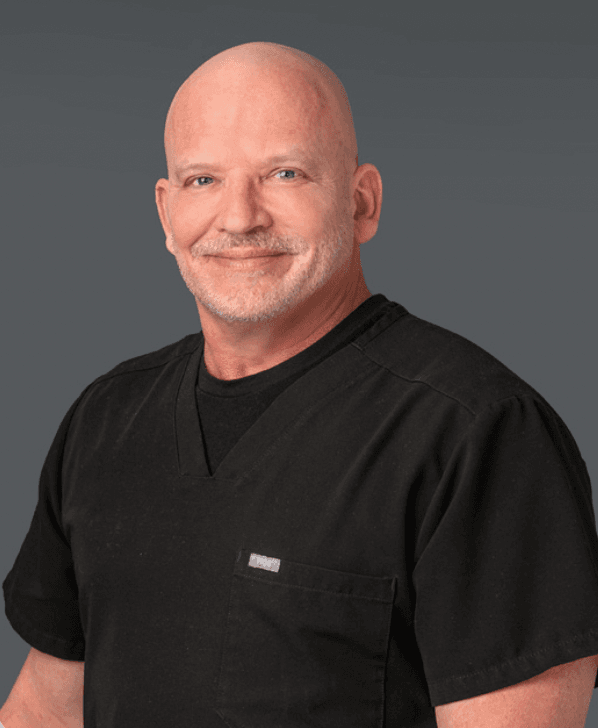
I started using neuromodulators many, many years ago to soften lines and help with the visible signs of aging. At the time, I was not trying to change how I looked. I simply wanted to look a little more rested and less worn down.
After seeing the results for myself, I never looked back.
That personal experience shaped the way I approach these treatments for my patients today. The goal is not to make someone look frozen, shiny, or artificial. The goal is to help them look like themselves — just a bit more relaxed, refreshed, and confident.
For men especially, that distinction matters.
Most men who come in for neuromodulator treatments do not want anyone to know. They are not looking for a dramatic change. They want to soften deep lines, reduce that tired or stern look, and still walk out looking completely like themselves.
That is exactly how a thoughtful neuromodulator treatment should be done.
A neuromodulator is an injectable treatment that temporarily relaxes targeted facial muscles responsible for certain expression lines.
Every time you frown, squint, raise your brows, or concentrate, specific muscles contract. Over time, those repeated movements can create lines that stay visible even when your face is at rest.
Neuromodulators work by softening the muscle activity in carefully selected areas. The result is a smoother, more relaxed appearance — without changing your identity or taking away natural expression.
Common neuromodulator treatment areas for men may include:
Botox Cosmetic and Dysport are two examples of neuromodulators. Botox Cosmetic is FDA-labeled for temporary improvement in moderate to severe frown lines, crow’s feet, forehead lines, and platysma bands in adults; Dysport is FDA-labeled for temporary improvement in moderate to severe glabellar lines in adults.
Of course, not every treatment is right for every person. That is why a consultation matters.
Most men are not trying to look younger in an obvious way.
They usually just want to stop looking so tired, stressed, angry, or worn out.
Sometimes a man feels great, but the lines on his face are telling a different story. Deep frown lines can make him look frustrated. Forehead lines can make him look older than he feels. Crow’s feet can make him look tired even when he is not.
Neuromodulators can help soften those areas in a subtle way.
The best results are often the ones people cannot quite identify. Someone might say:
“You look rested.”
“You look good.”
“Did you get a haircut?”
That is usually the sweet spot.
The goal is not for people to notice the treatment. The goal is for them to notice that you look refreshed.
This is one of the most common concerns men have, and it is a fair question.
The answer depends on the injector, the treatment plan, the dose, and the goal.
At Recharge Clinic, I do not believe men should be treated with a cookie-cutter approach. Men often have stronger facial muscles, different brow structure, different facial proportions, and different aesthetic goals than women.
Some men want a very conservative treatment that simply takes the edge off deep lines. Others want a smoother, more relaxed look while still maintaining natural movement.
Either way, the goal is balance.
A well-done neuromodulator treatment should respect your facial structure, preserve your masculinity, and keep you looking like yourself.
Absolutely.
Many men come in for neuromodulator treatments, and most of them prefer that the results stay discreet. They may be business owners, executives, fathers, athletes, professionals, husbands, or men who simply want to feel more confident when they look in the mirror.
There is nothing unusual about wanting to look rested and put together.
For many men, neuromodulators are not about vanity. They are about maintenance.
Just like working out, eating well, getting a haircut, taking care of your skin, or dressing well, this is one more way to take care of yourself.
And when it is done correctly, nobody needs to know.
Yes — especially when given as a gift card or consultation credit rather than trying to choose the exact treatment for him.
A Father’s Day gift card gives him the chance to come in, ask questions, and decide what feels right. There is no pressure and no guessing.
For the dad who has everything, a Recharge Clinic gift card can be a thoughtful way to say:
“You deserve to feel good, too.”
Whether he is running a business, leading a team, coaching kids, working long hours, or constantly showing up for everyone else, Dad may appreciate the chance to look a little more rested and refreshed.
It is a practical gift, a personal gift, and honestly — probably more useful than another mug.
At Recharge Clinic, the consultation is designed to be comfortable, educational, and personalized.
We will talk through your goals, review your health history, evaluate your facial movement, and discuss whether a neuromodulator treatment may be appropriate for you.
A consultation may include discussion of:
The goal is simple: create a plan that fits your face, your goals, and your comfort level.
No pressure. No overdone look. No guessing.
The best Father’s Day gifts say, “I see how much you do, and you deserve to take care of yourself, too.”
Neuromodulators can be a great option for men who want to look refreshed without looking different. They can help soften expression lines, support a more relaxed appearance, and give men a quiet boost of confidence.
For many men, the best compliment after treatment is not, “Did you get Botox?”
It is, “You look good.”
That is exactly the point.
Recharge Clinic offers Father’s Day gift cards and men’s aesthetic consultations.
Give Dad the gift of looking refreshed — not different.
Call Recharge Clinic at 352-512-9996 or message us to purchase a Father’s Day gift card or schedule a consultation. Recharge Clinic also welcomes walk-ins at select locations, depending on the service and availability.
Look out for our upcoming blog “HELP. I Know the Best Father’s Day Gift for Men… Except for My Own Husband” Written by Cynthia Tieche
Consultation required. Treatment eligibility is determined by a qualified provider. Results vary. This blog is for educational purposes only and is not a substitute for medical advice.
A neuromodulator is the general category of treatment. Botox Cosmetic and Dysport are brand names within that category. They are injectable treatments used to temporarily soften muscle activity that contributes to certain expression lines.
Not if the treatment is done thoughtfully. Most men want subtle results, and the goal is usually to look more rested and refreshed — not noticeably treated.
Most patients find the treatment very tolerable. The injections are quick, and discomfort is usually minimal.
Results vary from person to person, but neuromodulator treatments are temporary. During your consultation, we will discuss what you can realistically expect and how maintenance may fit your goals.
Downtime is typically minimal, and many patients return to normal daily activities afterward. You will be given specific aftercare instructions based on your treatment plan.
Yes. A Recharge Clinic gift card is a great way to let him explore neuromodulator treatments or other services without pressure. A consultation will determine whether treatment is appropriate.


Monday: 8:00 am - 6:00 pm
Tuesday - Wednesday: 8:00 am - 5:30 pm
Thursday: 8:30 am - 6:30 pm
Friday: 8:00 am - 6:00 pm
Saturday: 7:45 am - 1:00 pm
After-hours appointments can be made.
Walk-ins are welcome.
Monday - Friday: 8:30 am - 5:30 pm
Walk-ins are welcome.
Monday - Friday: 8:30 am - 5:30 pm
Walk-ins are welcome.
Monday - Friday: 8:30 am-5:30 pm
Walk-ins are welcome.
Monday: 8:30 am - 5:30 pm
Tuesday: Telehealth Appts. Only
Wednesday - Friday: 8:30 am - 5:30 pm
Saturday & Sunday: Closed
Walk-ins Welcome
Monday - Wednesday 8 am - 6 pm
Thursday 8 am - 6:30 pm
Friday 8 am - 6 pm
Saturday 7:45 am - 1 pm
👻BOTOX & BOOs👻
OCTOBER 23
8:30 AM - 5:30 PM
3175 Citrus Tower Blvd, Bldg 3,
Ste B, Clermont, FL 34711
Celebrate Halloween at Recharge
Clinic in Clermont! Grab your friends,
enjoy drinks, and SCARY-GOOD specials!
IN-PERSON SPECIALS ONLY
- PLEASE RSVP BELOW
Recharge Rewards is our way of saying thank you to patients who trust us with their care. The more you visit, the more you earn. Check out how our program works: Click Here
Mondays - NAD+ Shot
Wednesdays - KETO Shot
Fridays - Fitness Freak Shot
SE Ocala 17th St:
Wednesdays – 3 pm - 5 pm
NW Ocala N HWY 27:
Mondays – 2 pm - 5 pm
SW Ocala SW HWY 200:
Tuesdays & Fridays – 2pm - 5 pm
Lady Lake:
Thursdays – 11 am - 3 pm
Clermont:
Mondays, Wednesdays, Thursdays, & Fridays – 2pm - 5pm
47 SW 17th St. , Ocala, FL 34471:
Wednesdays 11 am - 2 pm
3175 Citrus Tower Blvd, Bldg 3, Suite B, Clermont, Fl 37411:
Mondays, Wednesdays, Thursdays, & Fridays 11 am - 2 pm
CLERMONT CLINIC HOURS
Monday - 8:30 AM - 5:30 PM
Tuesday - Telehealth Appts. Only
Wedensday - 8:30 AM - 5:30 PM
Thursday - 8:30 AM - 5:30 PM
Friday - 8:30 AM - 5:30 PM
Walk-ins Welcome
3175 Citrus Tower Blvd, Bldg 3, Ste B, Clermont, FL 34711