
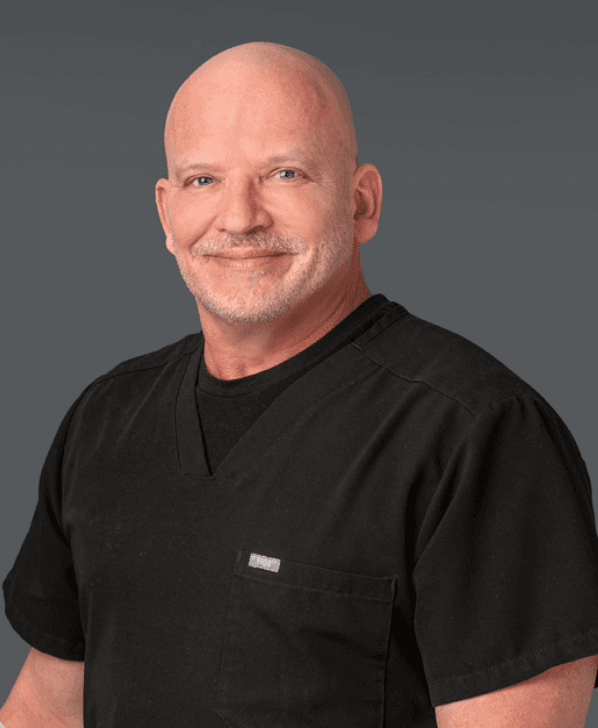
By Dr. Steve Tieche, Medical Director and Co-Founder of Recharge Clinic
I cannot tell you how many patients come into our office saying they have a thyroid problem…but they are not exactly sure what that means.
Some have been told they have hypothyroidism.
Others have been told they have Hashimoto’s.
Some think they are the same thing.
They are not.
They are closely connected, and one can lead to the other, but they do not mean the same thing.
This confuses a lot of people, and honestly, it is not their fault. Most people have never had this explained to them in a way that makes sense.
They may have been handed a prescription, told to take it every morning, and sent on their way without understanding what is actually happening inside their body.
Here is the simplest way to remember the difference:
Hypothyroidism explains WHAT your thyroid is doing. Hashimoto’s can explain WHY it is happening.
Let’s break that down in plain English.
Your thyroid is a small, butterfly-shaped gland located in the lower front part of your neck.
It may be small, but it has an enormous job.
Your thyroid produces hormones—primarily thyroxine, called T4, and a smaller amount of triiodothyronine, called T3. These thyroid hormones travel through your bloodstream and affect nearly every tissue and organ in your body.
Think of thyroid hormones as part of your body’s internal speed-control system.
They help regulate how quickly or slowly your body performs many of its basic functions, including:
The American Thyroid Association explains that thyroid hormones help your body use energy, stay warm, and keep your brain, heart, muscles, and other organs working properly.
That is why a thyroid problem can make you feel as though something is wrong with your entire body—not just your neck.
When thyroid hormone activity is too low, multiple systems can begin slowing down at the same time.
You may feel exhausted, cold, constipated, mentally foggy, depressed, achy, or frustrated that your weight seems unusually difficult to manage.
Let me explain what is happening in your body.
Hypothyroidism means your body does not have enough thyroid hormone activity to meet its needs.
You may also hear it called an underactive thyroid.
Hypothyroidism describes the functional state of the thyroid system. It tells us that thyroid hormone production or activity is insufficient, but it does not automatically tell us why.
That distinction matters.
Hypothyroidism is not one single disease with one single cause. Several different conditions can result in low thyroid hormone levels.
Some people develop hypothyroidism because their immune system is attacking the thyroid. Others may develop it after thyroid surgery, radiation treatment, pregnancy, certain medications, or a problem involving the pituitary gland.
The pituitary gland is a small gland in the brain that produces thyroid-stimulating hormone, or TSH. TSH sends instructions to the thyroid to make more hormone.
Most cases involve the thyroid gland itself. However, when a pituitary problem is present, the thyroid may not receive the proper instructions.
So when someone says, “I have hypothyroidism,” my next question is:
Why?
Hashimoto’s disease, also called Hashimoto’s thyroiditis or autoimmune thyroiditis, is an autoimmune disease.
An autoimmune disease happens when the immune system mistakenly attacks part of the body it is supposed to protect.
In Hashimoto’s, the immune system attacks the thyroid gland.
This immune activity causes inflammation and can gradually damage thyroid tissue. As more thyroid tissue becomes damaged, the gland may struggle to produce enough thyroid hormone.
Over time, that can lead to hypothyroidism.
Hashimoto’s is the most common cause of hypothyroidism in the United States.
Blood testing may identify thyroid antibodies associated with this immune attack. The two antibodies commonly evaluated are:
Here is the important part:
A person can have Hashimoto’s before developing clear hypothyroidism.
The immune process may already be occurring even while TSH and thyroid hormone levels remain within the laboratory’s reference ranges.
That is why someone can have positive thyroid antibodies and still be told that their thyroid hormone levels are “normal.”
It does not necessarily mean that nothing is happening. It means the autoimmune process and the thyroid’s ability to produce hormone have not necessarily reached the same stage.
This is the most important point in the entire article:
Hashimoto’s describes an autoimmune disease that can damage the thyroid. Hypothyroidism describes a state in which the body does not have sufficient thyroid hormone activity.
You can have hypothyroidism without Hashimoto’s.
You can also have Hashimoto’s before you have hypothyroidism.
However, many people eventually have both because Hashimoto’s can gradually reduce the thyroid gland’s ability to produce hormone.
| Hypothyroidism | Hashimoto’s Disease | |
| Definition | A condition in which thyroid hormone production or activity is too low | An autoimmune disease in which the immune system attacks the thyroid |
| What does it describe? | What the thyroid system is doing | One possible reason why the thyroid is becoming damaged |
| Cause | Hashimoto’s, surgery, radiation, medications, thyroid inflammation, pituitary disease, iodine imbalance, congenital conditions, and other causes | Autoimmune activity influenced by genetic, hormonal, and environmental factors |
| Autoimmune? | Not always | Yes |
| Are thyroid hormones low? | Usually, although subclinical cases may still have normal free thyroid hormone levels | Not necessarily in the beginning |
| Are antibodies present? | Only when an autoimmune condition such as Hashimoto’s is involved | Often, although antibody results must be interpreted with the rest of the clinical picture |
| Can routine thyroid labs appear normal? | Early or subclinical cases may not show clearly low thyroid hormone levels | Yes, especially before significant thyroid damage has occurred |
| Treatment | Depends on the cause; thyroid hormone replacement is commonly used when hormone levels are insufficient | Monitoring thyroid function and treating hypothyroidism when it develops; other health factors should also be evaluated individually |
Hashimoto’s does not always cause symptoms immediately. Many symptoms appear when thyroid function begins declining.
Possible symptoms include:
Not everyone experiences every symptom.
Symptoms often develop slowly—sometimes over months or years—which makes them easy to dismiss or blame on aging, stress, poor sleep, menopause, a busy schedule, or lack of exercise.
These symptoms are not specific to thyroid disease. Fatigue, weight changes, hair loss, anxiety, and brain fog can have many possible causes.
That is exactly why a thoughtful evaluation matters.
We should not assume every symptom is caused by the thyroid—but we should not dismiss the thyroid without evaluating it properly either.
Hashimoto’s is the leading cause of hypothyroidism in the United States. The immune system gradually attacks and damages the thyroid, reducing its ability to produce hormone.
Removing part or all of the thyroid can reduce or eliminate thyroid hormone production.
Radioactive iodine may be used to treat an overactive thyroid. Radiation involving the neck can also damage thyroid tissue. Either can eventually result in hypothyroidism.
Some medications can interfere with thyroid hormone production or function. Medication effects should always be reviewed with a qualified healthcare provider rather than stopping a medication without guidance.
The pituitary gland and hypothalamus help control thyroid function. A problem in either area may disrupt the signals needed to stimulate normal thyroid hormone production.
This is less common but very important because the laboratory pattern may look different from typical primary hypothyroidism.
Some babies are born without a properly functioning thyroid gland or with a thyroid that did not develop normally.
Inflammation of the thyroid can develop after pregnancy. Thyroid function may temporarily become overactive, underactive, or move through both phases.
Some women recover normal thyroid function, while others develop lasting hypothyroidism.
The thyroid needs iodine to make thyroid hormones, but both too little and too much iodine can cause problems in susceptible individuals.
Iodine deficiency is uncommon in the United States. Taking large amounts of iodine without medical guidance is not a safe or appropriate way to treat every thyroid problem.
Hashimoto’s can affect anyone, but certain factors increase the likelihood.
Hashimoto’s is approximately four to ten times more common in women than in men.
A person may be more susceptible when thyroid disease or other autoimmune conditions run in the family.
Genetics do not guarantee that someone will develop Hashimoto’s, but they can increase vulnerability.
People with conditions such as type 1 diabetes, celiac disease, rheumatoid arthritis, lupus, or other autoimmune diseases may have a higher likelihood of developing another autoimmune condition.
Hashimoto’s occurs more frequently in women and may become noticeable during periods of hormonal or immune-system change, including pregnancy and the postpartum period.
Researchers believe Hashimoto’s develops through a combination of genetic susceptibility and environmental influences.
However, we should be careful with oversimplified claims.
Stress does not automatically cause Hashimoto’s. Gluten does not directly cause every case of Hashimoto’s.
Certain exposures, infections, nutrient imbalances, medications, hormonal shifts, or other environmental factors may interact with a person’s genetic susceptibility, but Hashimoto’s usually cannot be traced to one simple cause.
Current information from the American Thyroid Association estimates that:
The National Institute of Diabetes and Digestive and Kidney Diseases estimates that hypothyroidism affects approximately five out of every 100 Americans.
The exact number of Americans with Hashimoto’s is not known, but it remains the country’s most common cause of hypothyroidism.
Those numbers matter because thyroid disease is not rare.
At the same time, symptoms such as fatigue and weight gain are common and can come from many different conditions. Diagnosis should be based on symptoms, medical history, physical findings, and appropriate laboratory testing—not symptoms alone.
I do not believe in frightening patients. Fear does not help people make better healthcare decisions.
But untreated hypothyroidism should not be ignored.
Over time, inadequate thyroid hormone activity can contribute to problems such as:
Severe, longstanding untreated hypothyroidism can rarely result in a life-threatening condition called myxedema coma, but this is uncommon.
The point is not to panic.
The point is to identify thyroid dysfunction, understand its cause, and manage it appropriately.
A thyroid evaluation may include:
The exact tests should be selected based on the individual.
For example, a person with suspected pituitary disease may need a different interpretation than someone with typical primary hypothyroidism.
A thyroid ultrasound may also be appropriate when there is a thyroid enlargement, lump, nodule, swallowing concern, or another reason to examine the gland’s structure.
Laboratory results are important, but they should not be interpreted in isolation.
Numbers need context.
Treatment depends on what is happening and why.
When the body is not producing sufficient thyroid hormone, treatment commonly involves thyroid hormone replacement.
Levothyroxine and Synthroid contain synthetic T4. Other options may be considered in selected patients based on their medical history, laboratory results, symptoms, response to treatment, and the provider’s clinical judgment.
Hashimoto’s itself does not automatically mean every patient needs thyroid medication immediately.
If thyroid hormone production remains adequate, a provider may monitor thyroid function over time. When Hashimoto’s results in hypothyroidism, thyroid hormone replacement may be recommended.
Treatment should never be based on one symptom, one antibody result, or one laboratory number without considering the full picture.
At Recharge Clinic, we look beyond labels.
We want to understand:
That does not mean every symptom is thyroid-related.
It means you deserve a thoughtful evaluation rather than being dismissed or reduced to one number on a laboratory report.
Most people have never had this explained.
We want our patients to understand their bodies, understand their options, and feel confident participating in their healthcare decisions.
If you missed Part 1: Is It Your Thyroid, Your Hormones, or Just Burnout?, we explored why symptoms like fatigue, brain fog, and weight gain aren't always caused by stress or aging.
Now, let's continue with Part 2: Still Feeling Terrible on Thyroid Medication? Here's What Most Patients Are Never Told, where we'll discuss why some people with hypothyroidism continue to have symptoms—even when their thyroid labs are considered "normal."
If you're taking thyroid medication but continue to struggle with fatigue, brain fog, weight gain, hair loss, or other symptoms of hypothyroidism, don't settle for being told your labs are "normal." Your symptoms deserve to be heard, evaluated, and understood.
Schedule a FREE consultation at Recharge Clinic to learn whether a more comprehensive thyroid evaluation is right for you.
📞 Call us: 352-512-9996
🌐 Visit: https://rechargeocalaclinic.com/
With locations in Ocala, Lady Lake, and Clermont, as well as telehealth appointments available throughout Florida, we're here to help you better understand your thyroid health and your treatment options.
We listen. We explain. We help patients get answers.
No.
Hashimoto’s is an autoimmune disease in which the immune system attacks the thyroid. Hypothyroidism means the body does not have enough thyroid hormone activity.
Hashimoto’s can cause hypothyroidism, but hypothyroidism can also develop for other reasons.
Yes.
Hashimoto’s is the most common cause of hypothyroidism in the United States. Over time, the immune attack can damage enough thyroid tissue that the gland can no longer produce sufficient hormone.
Yes.
A person may have thyroid antibodies and autoimmune activity while TSH and thyroid hormone levels remain within the laboratory reference ranges.
Some people remain in this stage for years, while others eventually develop hypothyroidism. Ongoing monitoring may be appropriate.
It depends on the cause.
Hypothyroidism related to temporary thyroid inflammation, including some cases of postpartum thyroiditis, may improve.
Hypothyroidism caused by permanent thyroid damage, complete thyroid removal, radioactive iodine treatment, or advanced Hashimoto’s is often lifelong.
Never stop thyroid medication without speaking with the prescribing provider.
Anyone can develop Hashimoto’s, but it is much more common in women.
Risk may also be higher in people with a family history of thyroid or autoimmune disease, those who have another autoimmune condition, and women during periods of hormonal or immune-system change.
They can appear to fluctuate.
Symptoms may change as thyroid function changes, during periods of thyroid inflammation, with medication adjustments, or when sleep, stress, hormones, nutrition, illness, and other health factors change.
Because thyroid symptoms overlap with many other conditions, recurring symptoms should be evaluated rather than automatically blamed on Hashimoto’s or hypothyroidism.
Here is the truth:
Hypothyroidism and Hashimoto’s are connected, but they are not interchangeable terms.
Hashimoto’s is an autoimmune disease that can damage the thyroid.
Hypothyroidism is the state that occurs when the body does not have enough thyroid hormone activity.
One tells us a possible reason.
The other tells us what the thyroid system is doing.
Understanding that difference gives you a much clearer starting point for asking questions, interpreting your testing, and making decisions about your care.
You deserve to understand what is happening in your body.
And you deserve more than being handed a diagnosis or a prescription without an explanation.
This article is for general educational purposes only and is not intended to diagnose, treat, cure, or prevent any medical condition. It does not replace an evaluation, diagnosis, or individualized treatment plan from a qualified healthcare professional. Thyroid symptoms can overlap with many other medical conditions. Do not begin, stop, or change thyroid medication or supplements without consulting your healthcare provider.
Join us for our FREE Wellness Talk: Hidden Issues – Thyroid Health
Dr. Tieche will explain why "normal" doesn't always mean optimal when it comes to thyroid health and discuss the hidden issues that may be affecting how you feel.
📅 Wednesday, August 12, 2026
🕕 6:00 PM
💻 Live via Zoom
Bring your questions! Dr. Tieche will host a live Q&A session following the presentation.
Please register below, and you'll receive your Zoom link prior to the event.
👉 https://rechargeclinics.com/talk


Monday: 8:00 am - 6:00 pm
Tuesday - Wednesday: 8:00 am - 5:30 pm
Thursday: 8:30 am - 6:30 pm
Friday: 8:00 am - 6:00 pm
Saturday: 7:45 am - 1:00 pm
After-hours appointments can be made.
Walk-ins are welcome.
Monday - Friday: 8:30 am - 5:30 pm
Walk-ins are welcome.
Monday - Friday: 8:30 am - 5:30 pm
Walk-ins are welcome.
Monday - Friday: 8:30 am-5:30 pm
Walk-ins are welcome.
Monday: 8:30 am - 5:30 pm
Tuesday: Telehealth Appts. Only
Wednesday - Friday: 8:30 am - 5:30 pm
Saturday & Sunday: Closed
Walk-ins Welcome
Monday - Wednesday 8 am - 6 pm
Thursday 8 am - 6:30 pm
Friday 8 am - 6 pm
Saturday 7:45 am - 1 pm
👻BOTOX & BOOs👻
OCTOBER 23
8:30 AM - 5:30 PM
3175 Citrus Tower Blvd, Bldg 3,
Ste B, Clermont, FL 34711
Celebrate Halloween at Recharge
Clinic in Clermont! Grab your friends,
enjoy drinks, and SCARY-GOOD specials!
IN-PERSON SPECIALS ONLY
- PLEASE RSVP BELOW
Recharge Rewards is our way of saying thank you to patients who trust us with their care. The more you visit, the more you earn. Check out how our program works: Click Here
Mondays - NAD+ Shot
Wednesdays - KETO Shot
Fridays - Fitness Freak Shot
SE Ocala 17th St:
Wednesdays – 3 pm - 5 pm
NW Ocala N HWY 27:
Mondays – 2 pm - 5 pm
SW Ocala SW HWY 200:
Tuesdays & Fridays – 2pm - 5 pm
Lady Lake:
Thursdays – 11 am - 3 pm
Clermont:
Mondays, Wednesdays, Thursdays, & Fridays – 2pm - 5pm
47 SW 17th St. , Ocala, FL 34471:
Wednesdays 11 am - 2 pm
3175 Citrus Tower Blvd, Bldg 3, Suite B, Clermont, Fl 37411:
Mondays, Wednesdays, Thursdays, & Fridays 11 am - 2 pm
CLERMONT CLINIC HOURS
Monday - 8:30 AM - 5:30 PM
Tuesday - Telehealth Appts. Only
Wedensday - 8:30 AM - 5:30 PM
Thursday - 8:30 AM - 5:30 PM
Friday - 8:30 AM - 5:30 PM
Walk-ins Welcome
3175 Citrus Tower Blvd, Bldg 3, Ste B, Clermont, FL 34711